
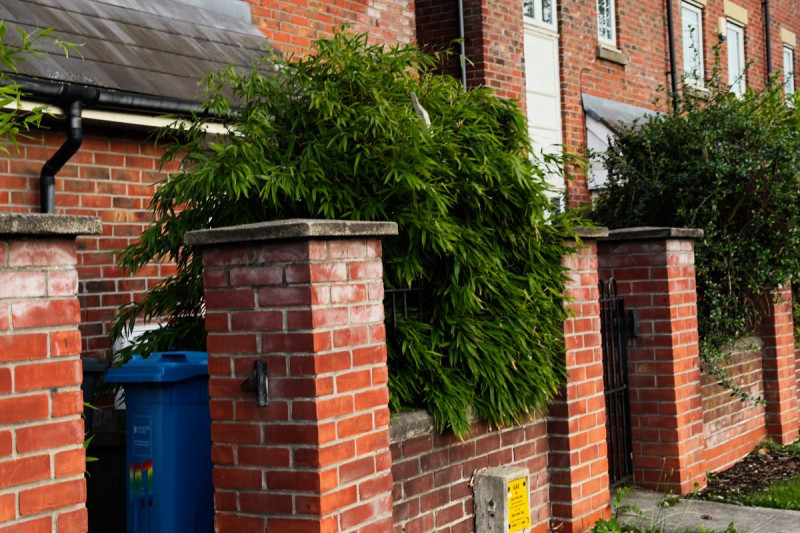
In recent years, the UK housing market has undergone noticeable shifts, and as we settle into 2026, one trend has become increasingly clear: freehold houses are outperforming flats, especially in terms of buyer demand, price resilience, and overall investment appeal. This trend is particularly evident when exploring the landscape of freehold houses in London, where the dynamics of ownership, housing supply and buyer priorities have all evolved in ways that favour full ownership over other forms of property tenure.
To understand why freehold houses have surged ahead in performance, it is important to look at both market data and the broader forces shaping buyer preferences.
What Does “Freehold” Really Mean?
First, it helps to clarify what we mean by freehold. A freehold property gives the owner full ownership of both the building and the land it stands on, indefinitely. This contrasts with most flats, which are typically sold as leasehold interests — where the buyer purchases the right to occupy the property for a set number of years but does not own the land itself. In London, where land is at a premium, this distinction has significant implications for long-term value and desirability.
Why Freehold Houses Are Commanding Premium Prices
Market data shows that freehold houses maintain a strong price premium compared with other property types. Research indicates that, across England and Wales, freehold homes can command prices around 42 % higher on average than leasehold properties — a figure that captures the enduring appeal of outright ownership.
When buyers evaluate properties, they often factor in the sense of permanence and control that freehold ownership provides. There are no ground rents, no shared ownership complications and greater clarity over maintenance responsibilities. This can make freehold houses more attractive, particularly for families or long-term investors looking for stability and flexibility. Compared with leasehold flats, the appeal of owning both the house and the land resonates strongly with many buyers looking for security and future equity growth.
Flats and Leasehold Challenges in the Current Market
In contrast, flats — which dominate the London market — face mounting issues that have dulled some of their attractiveness. Leasehold flats typically involve service charges and ground rents that can escalate over time, sometimes significantly impacting the total cost of living in or maintaining the property. In 2025, service charges for flat owners in England and Wales rose sharply, with annual costs averaging well over £2,400 — and in London, even higher.
This consistent increase in service charges can reduce overall appeal, particularly for buyers concerned about ongoing costs or unpredictable future fees. Even as the government considers reforms to cap ground rents and improve leasehold conditions, the day-to-day financial burden associated with many flats encourages some purchasers to prioritise freehold houses, where such recurring costs are less of an issue.
The Two-Speed London Market
In the capital, the divergence between houses and flats has become more pronounced in recent property cycles. While some London boroughs have seen house prices fall, the share of flat owners selling at a loss has been markedly higher. For example, in 2025, London recorded one of the highest proportions of homes sold at a loss across England and Wales, with a significant portion of those losses attributed to flats.
The reasons for this performance gap are varied. First, supply patterns play a role. London has seen a substantial increase in new flat development over many years, which can lead to market saturation in certain segments. At the same time, the limited supply of land suitable for new freehold houses makes those properties comparatively rarer and more desirable where they exist. This scarcity naturally supports stronger long-term pricing for freehold houses in London.
Buyer Preferences: Space, Lifestyle and Flexibility
Another factor shaping the trend is changing buyer preferences. After years of urban living being the default choice for many, preferences have shifted slightly towards more space, outdoor areas and flexibility — features typically associated with houses rather than flats. Freehold houses often offer gardens, better access to outdoor living, and the possibility to renovate or extend subject to planning permission. These characteristics appeal strongly to families or professionals seeking more adaptable living environments.
This “race for space” has been a defining trend in UK housing markets post-pandemic and continues to influence how buyers value different property types. Houses with gardens or extra rooms cater to evolving lifestyles where living, working and leisure spaces increasingly overlap.
Investment Perspectives and Market Confidence
From an investment standpoint, freehold houses often hold greater long-term appeal for both domestic and overseas buyers. With full ownership rights on the land, investors can feel confident about capital retention and resale value. The security of freehold tenure tends to outperform leasehold in terms of buyer sentiment, especially during periods of economic uncertainty.
Although flats remain popular — particularly among first-time buyers and investors seeking lower entry prices — the relative stagnation or slower growth of leasehold flat values in some segments makes them a less compelling choice for some buyers in the current market compared with freehold houses.
Looking Forward: Trends Shaping 2026 and Beyond
Looking ahead, the trend of freehold houses outperforming flats is likely to continue into 2026 for several reasons. Housing supply constraints, ongoing demand for family-oriented living spaces, and the desire for ownership simplicity all point to strong ongoing demand for freehold houses in London and across the UK. Meanwhile, reforms to the leasehold system might improve conditions for flat owners, but they are unlikely to alter fundamental differences in ownership experience quickly.
As demand for freehold houses remains strong, buyers and investors focused on long-term value may continue to prioritise these properties. This shift reflects not only economic calculations but also evolving lifestyle priorities — where control, flexibility and financial predictability are increasingly prized.
Conclusion
In today’s 2026 market, the outperformance of freehold houses — particularly freehold houses in London — is the result of a complex interplay of market dynamics, buyer preferences, and structural differences between property types. Freehold houses offer a greater sense of security, fewer ongoing costs and, in many cases, stronger price performance relative to flats. For buyers and investors seeking lasting value and flexibility, this trend reinforces the importance of understanding how tenure type can influence both lifestyle benefits and long-term financial outcomes.
Looking to buy, sell or let property in London? Bluestone Properties offers expert guidance, local market insight and a tailored approach to help you achieve the best possible outcome.