
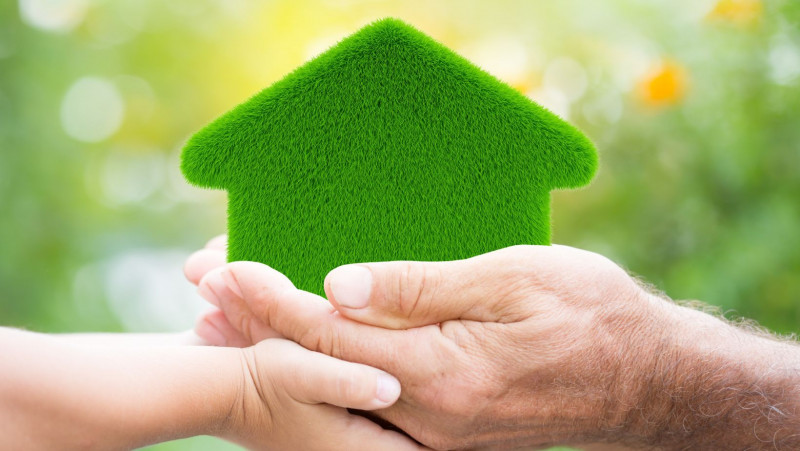
Managing an eco-friendly estate in London is more than just a trend—it’s a sustainable investment that benefits both the environment and your bottom line. Whether you're a property owner, manager, or developer, adopting green practices can enhance tenant satisfaction, reduce operational costs, and increase property value. Here's a practical guide to help you navigate the essentials of eco-friendly estate management.
- Prioritise Energy Efficiency
Energy consumption is a significant contributor to a property's carbon footprint. Implementing energy-efficient measures not only reduces environmental impact but also leads to substantial cost savings.
- Upgrade to LED Lighting: Replace traditional bulbs with LED lights, which use up to 75% less energy and have a longer lifespan, reducing both energy costs and maintenance efforts.
- Install Smart Thermostats: These devices adjust heating and cooling based on occupancy, ensuring energy isn't wasted when spaces are unoccupied.
- Utilise Energy-Efficient Appliances: Opt for appliances with high energy ratings to reduce electricity consumption and lower utility bills.
- Implement Water Conservation Strategies
Water conservation is crucial in urban settings like London, where resources can be limited.
- Install Low-Flow Fixtures: Equip properties with low-flow toilets and showerheads to reduce water usage without compromising performance.
- Use Native Landscaping: Plant drought-resistant species that require less water and maintenance, contributing to both sustainability and aesthetic appeal.
- Harvest Rainwater: Implement systems to collect and reuse rainwater for irrigation, reducing reliance on mains water.
- Establish Robust Waste Management Systems
Efficient waste management reduces landfill contributions and promotes recycling.
- Provide Recycling Bins: Ensure tenants have access to clearly labelled recycling bins to encourage proper waste segregation.
- Offer Composting Options: Set up compost bins for organic waste, which can be used to enrich garden soil.
- Educate Tenants: Conduct workshops or provide materials on sustainable practices to foster a community of eco-conscious residents.
- Choose Sustainable Building Materials
The materials used in construction and renovation play a significant role in a property's environmental impact.
- Opt for Low-VOC Paints: Use paints with low volatile organic compounds to improve indoor air quality and reduce harmful emissions.
- Select Sustainable Flooring: Materials like bamboo or reclaimed wood are renewable and have a lower environmental footprint.
- Source Locally: Whenever possible, use locally sourced materials to reduce transportation emissions and support local economies.
- Integrate Renewable Energy Sources
Incorporating renewable energy can significantly reduce a property's carbon footprint.
- Install Solar Panels: Solar energy systems can provide a substantial portion of a property's energy needs, lowering electricity costs and reliance on non-renewable sources.
- Explore Green Energy Tariffs: Switch to energy suppliers that offer electricity generated from renewable sources to further decrease environmental impact.
- Foster Sustainable Living Practices Among Tenants
Encouraging tenants to adopt sustainable habits can amplify the impact of eco-friendly initiatives.
- Provide Educational Resources: Offer information on energy-saving tips, recycling guidelines, and water conservation practices.
- Incentivise Green Behaviour: Implement reward systems for tenants who consistently engage in sustainable practices, such as reduced utility bills or recognition programs.
- Create Green Spaces: Develop communal gardens or green areas that promote biodiversity and provide residents with natural spaces to enjoy.
- Regular Maintenance and Monitoring
Consistent upkeep ensures that eco-friendly systems operate efficiently and effectively.
- Conduct Energy Audits: Regularly assess the property's energy usage to identify areas for improvement and ensure systems are functioning optimally.
- Schedule Routine Inspections: Check for issues like leaks, drafts, or malfunctioning equipment that can lead to energy waste or increased costs.
- Update Systems as Needed: Stay informed about new technologies and practices that can further enhance the property's sustainability.
- Highlight Eco-Friendly Features to Attract Tenants
Promoting your property's green credentials can make it more appealing to environmentally conscious renters.
- Market Sustainability: Emphasise eco-friendly features in listings and advertisements to attract tenants who value sustainability.
- Obtain Certifications: Pursue green building certifications, such as BREEAM or Passivhaus, to validate your property's environmental performance.
- Showcase Benefits: Highlight the long-term cost savings and health benefits associated with sustainable living to entice potential tenants.
Conclusion
Managing an entirely eco-friendly estate in London is a multifaceted endeavour that requires thoughtful planning and consistent effort. By prioritising energy efficiency, water conservation, sustainable materials, renewable energy, and fostering.
Looking to Go Green with Confidence?
If you're ready to manage your estate more sustainably but aren’t sure where to begin, Bluestone Properties can help. With extensive experience in eco-conscious property management across South London and surrounding areas, we offer expert guidance to help you reduce your environmental impact while maximising value.
Contact Bluestone Properties today to find out how we can support your journey towards fully sustainable estate management—efficiently, ethically, and professionally.