
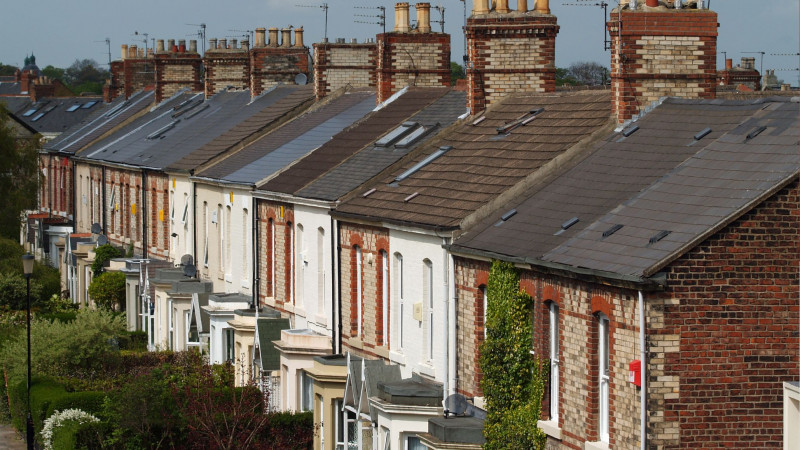
When you’re looking for a new home, it’s easy to get caught up in the numbers — square footage, council tax bands, transport links, and local property prices. But beyond the bricks and mortar, there’s something equally important that often determines whether a place truly feels like home: the reputation of the community.
Choosing a neighbourhood isn’t just about the house you buy; it’s about the life that comes with it. From local schools and safety to the friendliness of neighbours and the sense of belonging, a community’s reputation can have a lasting impact on your happiness, your investment, and even your daily wellbeing.
Whether you’re moving across London or relocating from another city, understanding a neighbourhood’s reputation can make the difference between finding a property — and finding a home.
1. What Do We Mean by “Community Reputation”?
Community reputation refers to how people perceive an area — both residents and outsiders. It’s shaped by many factors:
Safety and crime rates
Quality of local schools and amenities
Cleanliness and upkeep of public spaces
Friendliness of residents
Local events and initiatives
Accessibility and transport links
In short, it’s the collective identity of an area — how it looks, feels, and behaves. This reputation isn’t built overnight; it’s formed over years through shared experiences, word of mouth, and community involvement.
In London, for example, areas like Balham, Tooting, and Streatham have all transformed over the past decade. Once overlooked, these neighbourhoods have developed strong reputations as vibrant, family-friendly communities with character and a growing sense of local pride. This evolution shows just how powerful reputation can be in shaping a neighbourhood’s desirability.
2. Why Reputation Influences Property Value
One of the biggest reasons community reputation matters is because it directly affects property values. Areas with a good reputation often enjoy higher demand, which pushes prices up and helps them hold their value over time.
According to research from Rightmove, homes in neighbourhoods perceived as “friendly and safe” sell up to 10% faster than comparable properties in less desirable areas. Buyers aren’t just purchasing a home — they’re investing in a lifestyle, and that lifestyle is defined by the community around them.
For example, if an area earns a reputation for having excellent schools, clean streets, and a strong neighbourhood watch, it quickly becomes a magnet for families. That demand sustains higher property values and encourages further investment from local councils and businesses.
On the other hand, a poor reputation — whether for noise, crime, or lack of amenities — can have the opposite effect, discouraging buyers and dragging prices down. That’s why understanding the local sentiment before making an offer is so essential.
3. Quality of Life and Everyday Comfort
Beyond financial value, community reputation has a major impact on quality of life. Living in a supportive, welcoming area can improve your sense of belonging and reduce stress. You’re more likely to feel safe walking home at night, trust your neighbours, and enjoy the local parks or high street.
A positive reputation often reflects a strong community spirit — residents who take pride in their area and look out for one another. For example, local initiatives like street clean-ups, food markets, and charity events not only improve the environment but also foster meaningful connections among residents.
In London, areas like Wandsworth and Clapham are good examples. Their reputation for being safe, social, and full of green spaces draws both young professionals and families. You’ll find weekend farmers’ markets, local book clubs, and neighbourhood Facebook groups where people share recommendations or lend a hand. It’s this sense of connection that turns an area into a community.
4. Schools, Safety, and Social Cohesion
For families, the reputation of local schools can be one of the most influential factors when choosing a neighbourhood. Properties near Ofsted-rated “Outstanding” schools often come with a premium — sometimes adding up to 20% to home values. But it’s not just about test scores; it’s about the environment and relationships that shape the wider community.
Similarly, safety plays a huge role in how an area is perceived. Even small improvements — better lighting, community policing, or resident-led watch schemes — can transform how people feel about where they live. A neighbourhood that feels safe fosters confidence, freedom, and stability.
And it’s not just about security — social cohesion matters too. When neighbours know each other’s names, greet each other in the street, and participate in local events, it creates an unspoken trust that enhances everyone’s experience of the area.
5. The Role of Local Businesses and Amenities
A community’s reputation also depends heavily on its local amenities. Independent shops, cafés, and green spaces all contribute to a neighbourhood’s identity. A thriving high street tells buyers that the area is well-loved and economically stable.
Take Streatham High Road, for instance — once known mainly for traffic, it’s now celebrated for its eclectic mix of eateries, family-run shops, and community events like the Streatham Festival. That shift has reshaped how people view the area, attracting new residents and investment.
When choosing a neighbourhood, pay attention to the mix of local businesses. Areas with active local commerce tend to have stronger community engagement — and happier residents.
6. How to Research a Neighbourhood’s Reputation
So, how can you assess the reputation of a community before making a decision? Here are a few practical ways:
Visit at different times – Walk around during the day, evening, and weekends to get a real sense of the area.
Chat with locals – Ask neighbours or shop owners how they feel about the area. Their perspective is invaluable.
Check local forums and Facebook groups – Many London neighbourhoods have active community pages where residents discuss local issues and events.
Look up crime statistics – The Metropolitan Police website provides detailed local crime data.
Research school performance – Use Ofsted’s online reports for nearby schools.
Explore local events – Markets, festivals, and street fairs often reflect the health and enthusiasm of a community.
These small steps can give you a clearer picture of whether the neighbourhood’s reputation aligns with your lifestyle and priorities.
7. Why Community Reputation Is About More Than Prestige
It’s worth noting that a good reputation doesn’t always mean luxury or exclusivity. Sometimes, the most rewarding communities are the ones that prioritise inclusivity, warmth, and shared values rather than prestige.
For example, South London areas like Crystal Palace and Brixton have built reputations for creativity, diversity, and grassroots community spirit. They may not have the polish of more affluent postcodes, but their strong sense of identity and neighbourly culture make them deeply appealing.
When choosing where to live, think about what matters most to you. Do you value peace and quiet, or a lively atmosphere? Do you want strong schools, or proximity to nightlife? The “best” neighbourhood is the one that fits your needs and makes you feel at home.
Home Is About More Than a Postcode
At its core, community reputation reflects the heartbeat of a neighbourhood — the people, the values, and the everyday life that give it meaning.
In a city as diverse as London, where every street has its own character, reputation helps guide buyers and renters toward the places that will suit them best. Whether you’re looking for a vibrant, sociable hub or a peaceful residential street, understanding a neighbourhood’s reputation helps ensure you’re investing not just in a property, but in a community that enhances your lifestyle and wellbeing.
When it comes to finding your perfect London home, remember this: you’re not just choosing walls and windows — you’re choosing the people and stories that surround them.
Looking for a neighbourhood that truly feels like home?
Bluestone Properties can help you find a community that matches your lifestyle and values. Our local experts know London’s neighbourhoods inside and out — from family-friendly streets to vibrant cultural hubs.
Contact Bluestone Properties today to start your property journey with confidence.