
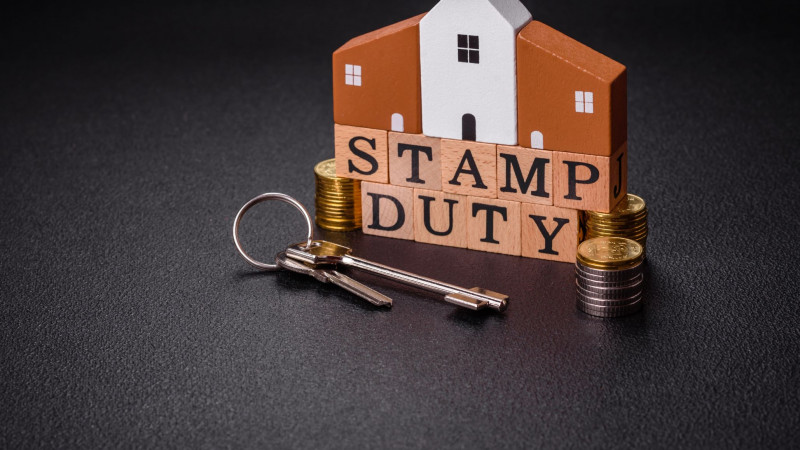
If you're considering becoming a landlord or expanding your property portfolio in the UK, understanding stamp duty is essential. It's one of those unavoidable costs that can significantly impact your investment returns—especially for buy-to-let investors in high-value markets like London.
In this article, we'll explain what UK stamp duty is, how it applies to buy-to-let properties, and why it matters when planning your finances and investment strategy.
What Is Stamp Duty?
Stamp Duty Land Tax (SDLT) is a tax you must pay when purchasing property or land in England and Northern Ireland. It applies to both residential and commercial transactions over a certain value. For those buying in Scotland or Wales, similar taxes apply—Land and Buildings Transaction Tax (LBTT) and Land Transaction Tax (LTT), respectively.
In England, the amount you pay depends on:
The price of the property
Whether it's your first home, a main residence, or an additional property
If you're purchasing as an individual or through a company
Whether you're eligible for any reliefs or exemptions
The tax is structured in bands, meaning different portions of the purchase price are taxed at different rates.
Stamp Duty for Buy-to-Let Investors
For buy-to-let investors, the rules are slightly stricter—and more expensive. Since 2016, anyone purchasing an additional residential property (including landlords and second-home buyers) must pay a 3% stamp duty surcharge on top of the standard SDLT rates.
Example:
Suppose you're buying a buy-to-let property in London for £500,000. The standard SDLT for a residential purchase would be around £15,000, but with the 3% surcharge for buy-to-let, you'd end up paying £30,000 in total stamp duty.
That’s a significant upfront cost—and one that must be paid within 14 days of completing the purchase.
Current Stamp Duty Rates (As of 2025)
Here’s how UK stamp duty bands currently look for additional properties like buy-to-lets:
| Portion of Property Price | Standard Rate | Buy-to-Let (with 3% surcharge) |
|---|---|---|
| Up to £250,000 | 0% | 3% |
| £250,001 – £925,000 | 5% | 8% |
| £925,001 – £1.5 million | 10% | 13% |
| Over £1.5 million | 12% | 15% |
These rates are cumulative across each price band. So the more expensive the property, the more stamp duty you’ll owe.
Why Stamp Duty Matters for Buy-to-Let Investors
1. It Affects Your Upfront Costs
The most immediate impact of stamp duty is financial. It adds a substantial cost on top of your deposit, legal fees, and mortgage setup charges. For buy-to-let investors in London, where property prices are already high, the additional 3% can run into tens of thousands of pounds.
2. It Impacts Your ROI
Return on Investment (ROI) is key for any landlord. High stamp duty costs increase your total investment, which can reduce your overall return—especially if rental yields are moderate. Understanding your true entry cost, including SDLT, is vital when calculating profitability.
3. It Influences Property Strategy
Some investors choose to buy lower-value properties in areas with higher yields to offset stamp duty costs. Others look for renovation opportunities or HMOs (Houses in Multiple Occupation) that offer greater rental income. Your stamp duty liability can help shape your entire investment strategy.
4. Timing Matters
Government stamp duty policies can change quickly. For example, the temporary stamp duty holiday in 2020–2021 boosted activity in the property market. Staying informed on rate changes or possible reliefs can help you time your purchases more strategically.
Can You Reduce Stamp Duty?
There are no loopholes for avoiding stamp duty entirely, but there are some legitimate strategies to reduce the amount:
Buy properties under £250,000 (you’ll still pay 3%, but the total tax is lower)
Negotiate with the seller to factor stamp duty into the purchase price
Use mixed-use or commercial properties (these are taxed differently)
Invest outside of high-stamp-duty zones, such as in parts of the North or Midlands
Buy jointly with a first-time buyer (in some cases, this can affect rates)
Always consult a qualified property tax adviser or solicitor before pursuing any strategy.
Hidden Impacts of Stamp Duty
Beyond the obvious cost, stamp duty also affects:
Cash flow: Reduces how much capital you can allocate to renovations or furnishings
Portfolio expansion: Makes it harder to scale quickly due to higher entry costs
Exit strategy: Higher costs going in can mean more pressure to sell at a profit later on
For London-based buy-to-let investors, where entry prices and taxes are higher, these factors are even more critical to consider.
Stamp duty is more than just a line item on your solicitor’s invoice. For buy-to-let investors, especially in London, it plays a major role in shaping investment decisions, from budgeting and location to long-term profitability.
Understanding UK stamp duty and factoring it into your financial planning isn’t just smart—it’s essential. Whether you're a first-time landlord or adding to your property portfolio, be sure to calculate the full cost of investment, including taxes, before signing on the dotted line.
And remember: while stamp duty may feel like a hurdle, it's also a sign that you're building something substantial—an income-generating asset that, with the right planning, can yield solid returns for years to come.
Thinking of Buying a Buy-to-Let Property in London?
At Bluestone Properties, we specialise in helping investors like you find the right property in the right location—with expert support every step of the way. Whether you're buying your first rental property or growing your portfolio, our team understands the London market inside and out.
Get in touch today to explore available properties and start your journey as a confident, informed buy-to-let investor.