
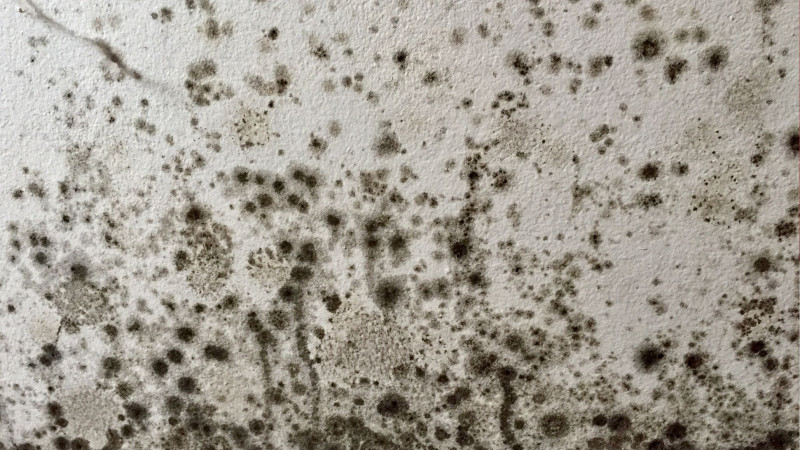
Living in London has many perks—cultural diversity, world-class amenities, and charming architecture. But for many Londoners, particularly those in older or poorly ventilated homes, damp and mould are all-too-common household issues. These problems aren't just unsightly—they can also lead to serious health concerns and expensive property damage if left untreated.
Whether you're a homeowner, landlord, or tenant, understanding how to prevent damp and mould is key to maintaining a safe, healthy, and comfortable living environment. This guide explains the causes, signs, and most effective solutions to protect your London property year-round.
Why Damp and Mould Are So Common in London
London's housing stock is one of the oldest in Europe. According to the English Housing Survey, nearly 37% of London homes were built before 1945, many without modern insulation or adequate ventilation. Combine that with the city's famously damp climate and long, wet winters, and you’ve got a recipe for moisture problems.
Key contributing factors include:
Poor ventilation in bathrooms, kitchens, and basements
Leaky roofs or gutters common in older terraces and converted flats
Single-glazed windows that cause condensation
Insufficient heating, especially in rental homes or HMOs
Rising damp in ground-floor or basement properties
Spotting the Early Signs of Damp and Mould
Catching damp early is crucial. Ignoring the signs only makes the problem worse—and more expensive to fix. Here’s what to watch out for:
Musty or earthy smell in certain rooms
Peeling wallpaper or bubbling paint
Black, brown, or green mould patches, particularly around windows and corners
Excess condensation on windows, especially in the morning
Cold, damp walls or floors
Tide marks on walls (a sign of rising damp)
If you're renting, it's important to report these signs to your landlord immediately. Under the Homes (Fitness for Human Habitation) Act 2018, tenants have the right to live in a property free from damp and mould hazards.
Practical Ways to Prevent Damp and Mould
1. Improve Ventilation
One of the simplest and most effective ways to prevent mould is to improve airflow in your home.
Tips:
Open windows regularly—even in winter, a 5-10 minute air-out can help
Use extractor fans in bathrooms and kitchens (and make sure they’re actually working)
Don’t block air bricks or vents, even in colder months
Consider installing trickle vents on windows if possible
2. Control Moisture at the Source
A lot of everyday activities produce moisture—cooking, showering, drying clothes indoors. Be proactive in controlling this moisture.
Tips:
Always cover pots when cooking
Use lids and extractor fans when boiling water
Wipe down wet surfaces like shower walls and windows
If you must dry clothes indoors, use a dehumidifier or place them near a window with good airflow
3. Maintain Consistent Heating
Keeping your home warm helps reduce condensation, especially during cold spells.
Tips:
Set your thermostat to a consistent temperature (ideally 18–21°C)
Use thermostatic radiator valves to better control room temperatures
Avoid turning the heating completely off, even if you’re away for a few days
4. Fix Leaks Promptly
Leaks are a major source of water ingress and often lead to damp spots behind walls or under floors.
Check regularly:
Roofs, especially after storms or heavy rain
Gutters and downpipes for blockages
Internal plumbing (pipes under sinks, behind toilets, etc.)
Even minor leaks can escalate quickly, so don’t delay repairs.
5. Invest in Dehumidifiers
In high-risk properties—like basements or north-facing rooms—a portable dehumidifier can be a game-changer.
Modern models are quiet, energy-efficient, and often come with auto-humidity sensors. They're particularly helpful in shared homes where managing everyone’s moisture habits can be tricky.
Professional Solutions for Persistent Damp
Sometimes, DIY measures just aren’t enough—especially in older or poorly maintained buildings.
Consider calling in a damp specialist if you notice:
Rising damp with tide marks and salt deposits
Penetrating damp caused by faulty external walls
Severe mould growth that returns after cleaning
Structural issues linked to long-term water damage
Professional treatments may include damp-proof courses, waterproof tanking systems, or cavity wall insulation.
The Health Impact of Living with Mould
Mould isn’t just a cosmetic problem—it can significantly impact health, especially for children, the elderly, and people with asthma or allergies.
According to the NHS, exposure to mould spores can cause:
Respiratory problems
Skin irritation
Eye discomfort
Worsening of asthma symptoms
This is why it's crucial to act quickly—not just to protect your property, but to safeguard your wellbeing.
What Landlords and Tenants Need to Know
Damp and mould are a shared responsibility in rental properties. Tenants should ventilate rooms, report issues promptly, and avoid creating excessive moisture. But landlords are legally obliged to address structural causes of damp, such as leaks or poor insulation.
Under the Housing Health and Safety Rating System (HHSRS), damp and mould are considered hazards, and local councils have the power to enforce repairs if landlords fail to act.
Pro Tip: Always keep written records of complaints or repair requests. This can be vital if formal action becomes necessary.
Conclusions
Damp and mould are common problems in London homes—but they don’t have to be inevitable. With a combination of everyday habits, regular maintenance, and, where needed, professional help, you can protect your property and health from the damaging effects of excess moisture.
Remember: prevention is far cheaper and easier than cure.
Need Help Managing Damp and Mould Issues in Your Properties?
At Bluestone Properties, we understand the unique challenges London property managers face—especially when it comes to maintaining older buildings prone to damp and mould.
Whether you're overseeing a single rental or a large portfolio, our expert team provides proactive property management.