
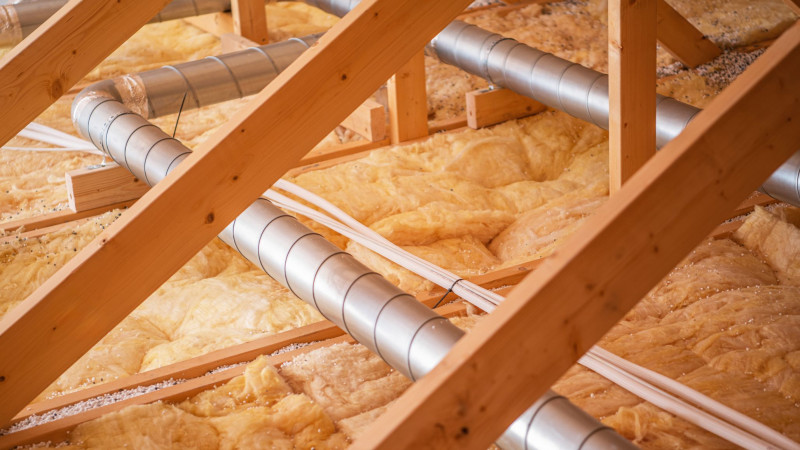
If you own an investment property in London, you’ll know the market can be as chilly as a February morning on the Thames. Prices are high, tenant expectations are even higher, and margins can quickly disappear if the property isn’t working as hard as it should. One often-overlooked issue that quietly eats into profits is poor insulation.
Whether you’ve got a Victorian terrace in Hackney, a converted flat in Clapham, or a buy-to-let near Canary Wharf, insulation plays a far bigger role than many landlords realise. From rising energy costs to tenant turnover and legal compliance, poor insulation can seriously affect your return on investment — and your sanity.
Let’s break down exactly how.
London Properties and the Insulation Problem
London’s housing stock is old. Beautiful, yes — but not always practical. Many properties were built long before modern insulation standards were even a thing. Single-skin walls, draughty sash windows, and uninsulated lofts are common across the capital.
While that “period charm” looks great on Rightmove, it often means heat escapes faster than a rush-hour train out of King’s Cross. In today’s market, that’s not just inconvenient — it’s costly.
Rising Energy Bills = Unhappy Tenants
London tenants are savvy. With energy prices still a major concern, renters are paying close attention to how warm a property is and how much it costs to run.
Poor insulation leads to:
Higher heating bills
Cold spots and draughts
Damp and condensation issues
If tenants are spending a fortune just to stay warm, they’re unlikely to stick around. And when a tenant leaves, you’re hit with void periods, re-letting costs, and possibly reduced rent just to stay competitive.
From a property management perspective, this becomes a recurring headache — complaints, maintenance requests, and strained landlord-tenant relationships.
EPC Ratings and Legal Compliance
In England and Wales, rental properties must meet minimum energy efficiency standards. Currently, landlords are required to have an EPC rating of at least E, with future regulations likely to push that up to C.
Poor insulation is one of the biggest reasons London properties fall short.
If your investment property doesn’t meet the required EPC rating:
You may not be legally allowed to let it
You could face fines
The property value may drop
Experienced property managers in London UK are already advising landlords to act now rather than scramble later. Insulation upgrades are often one of the most cost-effective ways to improve an EPC score.
Reduced Property Value and Market Appeal
Let’s be honest — London is competitive. Tenants have choice, and buyers are increasingly energy-conscious. A poorly insulated property is less attractive, plain and simple.
When two similar flats are on the market, the warmer, cheaper-to-run one will win every time. Poor insulation can lead to:
Lower rental yields
Longer void periods
Reduced resale value
In contrast, a well-insulated home feels comfortable, modern, and well cared for — even if it’s a hundred years old underneath.
Maintenance Issues You Can’t Ignore
Poor insulation doesn’t just let heat escape; it also allows moisture to creep in. This is where real long-term damage starts.
Common issues include:
Damp patches on walls
Mould growth
Peeling paint and plaster damage
Timber decay
These problems aren’t just cosmetic. They can become expensive structural issues if ignored — and they’re a major red flag during inspections.
Good property management means preventing problems, not just reacting to them. Insulation is one of those behind-the-scenes improvements that saves money over time.
Tenant Retention: The Silent Profit Killer
Every time a tenant leaves, it costs you. Referencing, marketing, cleaning, lost rent — it all adds up. In London, where tenants expect comfort as standard, a cold flat is a deal-breaker.
Tenants who feel comfortable in their home are:
More likely to renew
Less likely to complain
More likely to treat the property well
Many property managers in London UK will tell you that warmth and energy efficiency rank just behind location when it comes to tenant satisfaction.
Insulation Improvements That Make Sense in London
The good news? You don’t need to gut the property to see results. Some of the most effective insulation upgrades include:
Loft insulation (especially in top-floor flats)
Cavity or internal wall insulation
Draught-proofing doors and windows
Secondary glazing for period properties
A knowledgeable property management company can help you prioritise upgrades based on cost, disruption, and return on investment — which is crucial in a city where time really is money.
Why Professional Property Management Matters
Managing a London investment property isn’t just about collecting rent. It’s about staying compliant, protecting your asset, and keeping tenants happy — all while navigating changing regulations.
Experienced property managers in London UK understand the local housing stock, council requirements, and tenant expectations. They can:
Identify insulation issues early
Coordinate trusted contractors
Ensure EPC compliance
Advise on cost-effective upgrades
In short, they help future-proof your investment.
Don’t Let Heat (and Money) Escape
Poor insulation might not be the most glamorous topic, but in London’s rental market, it’s one of the most important. Left unchecked, it can drain profits, frustrate tenants, and limit your property’s potential.
On the flip side, investing in proper insulation improves comfort, compliance, and long-term value — exactly what smart landlords should be aiming for.
If you want your London property investment to perform well year after year, don’t ignore what’s behind the walls. And if you’d rather not deal with it yourself, a reliable property management service with experienced property managers in London UK can make all the difference.
After all, in a city where every square foot counts, you might as well make sure the heat stays inside.
Ready to Protect Your London Property Investment?
If you’re concerned about energy efficiency, rising maintenance costs, or keeping good tenants long-term, Bluestone Properties is here to help.
As experienced property managers in London UK, Bluestone Properties takes a proactive approach to property management — identifying issues like poor insulation early, keeping your property compliant, and ensuring it remains attractive in a competitive London market.
From day-to-day management to long-term investment strategy, their local expertise means your property is looked after properly, without the stress.
Get in touch with Bluestone Properties today to see how professional property management can protect your investment and maximise your returns — while keeping your tenants warm, comfortable, and happy.