
Energy costs are one of UK families' biggest annual expenditures, and rising prices have made everyone in the country consider how they can cut their bills.
A recent study by Compare the Market revealed that nearly two-thirds (64%) of UK households are concerned about the rising cost of energy and are looking for ways to reduce their bills. Three quarters (75%) of those surveyed said they would be willing to make changes in their homes to cut down on their energy bills.
Many people have turned to renewable energy sources, but this can often be costly. The first step to reducing your energy bill is to do an audit of your home and determine what you need to do to reduce your usage. You may be surprised at how much money you could save just by making a few small changes around your house. To make things easier for you, we have listed some tips to help you reduce your bill:
Ways to Save Money on Energy Bills
#1 LED Bulbs
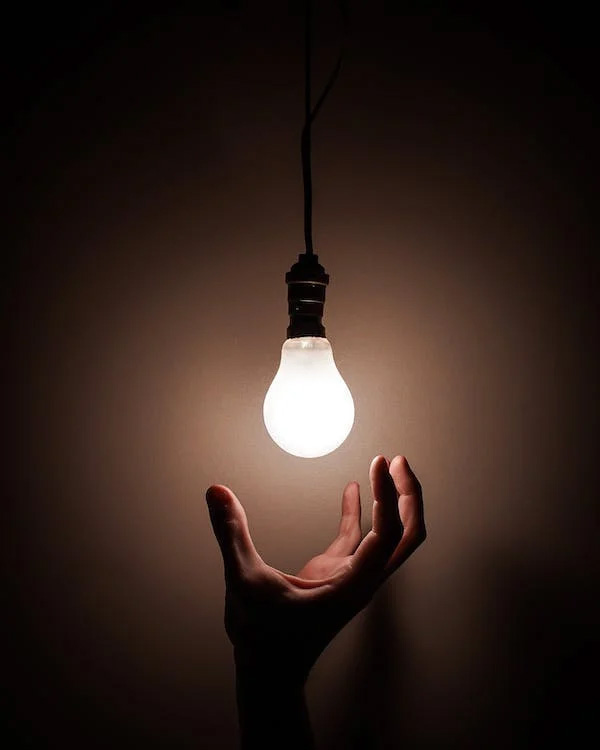
One way to reduce your energy usage is by investing in LED light bulbs. LED light bulbs use up to 85% less energy than incandescent ones, which means you'll save money every time you switch them on. They also last much longer than their old-fashioned counterparts, meaning you won't have to replace them as often.
#2 Timer
You should also consider installing a timer onto any appliances that use electricity overnight so that they can be switched off when not needed and still do their job effectively when needed during the day while saving money on electricity bills at night time when electricity prices are higher than during daytime hours when demand is lower overall due to fewer people being awake at work or school etcetera).
#3 Turned-Off Unused Appliances
It's also important to ensure that any appliances or gadgets in your home are turned off when not being used—this includes TVs and computers.
Turning off lights when they aren't needed, especially if they aren't being used in rooms where people spend most of their time (like kitchens).
#4 Add more insulation
Look at your home's insulation. If there is not enough insulation in your attic or walls, this can cause heat to escape through the roof or walls. You can add more insulation yourself if you are handy with tools and have some experience working with them.
#5 Turn the heat down
This method involves adjusting the thermostat of a heating system to a lower temperature setting. It can be done manually or automatically, depending on whether or not the heating system has smart technology built into it.
This method of reducing energy bills is particularly effective during periods when you have control over your home's temperature (such as when you're away from work or school) but may not be needed if you live somewhere with mild winters or frequent warm spells.
The best time of year to start reducing your heating is during autumn and winter when there are fewer daylight hours and colder temperatures outside. However, if you live in an area with milder winters (like Scotland), you may want to consider turning down the heat now so that it can be turned back up again when winter comes around again next year.
When you turn down the heat, it takes longer for your home to warm up; however, once it reaches its desired temperature, it will stay there longer since it hasn't been heating constantly. This means that turning down your thermostat could save money on both your electricity bill and gas bill each month!
If you’re a landlord in south London, we can help you manage your properties. Please feel free to call us so that we can be of further assistance on 0208 355 3405