


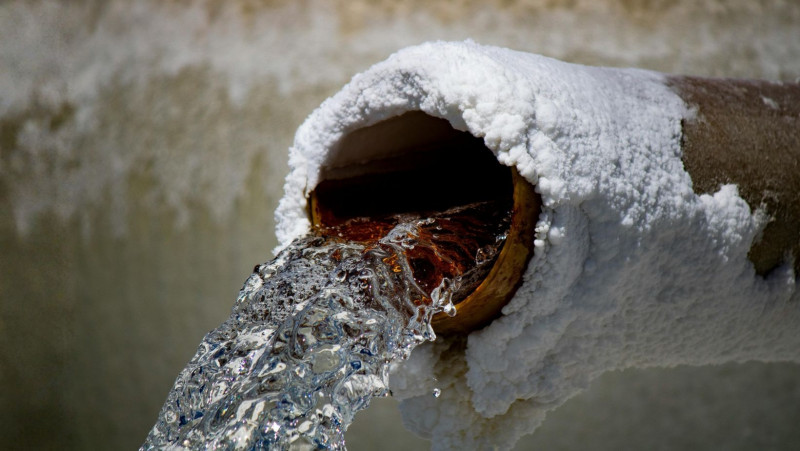
An empty property might seem easier to maintain than an occupied home, but leaving a house or flat unattended can create significant risks, particularly during the colder months. One of the most common winter concerns for landlords and property owners is frozen or burst pipes, which can lead to flooding, structural damage, expensive repairs and lengthy delays before a property is ready to rent again.
In London, where properties range from Victorian terraces and converted flats to modern apartments, plumbing systems can vary considerably in age and condition. When temperatures drop, exposed pipework, poorly insulated lofts and unheated rooms can become particularly vulnerable.
Whether you own a vacant rental property in South London, are between tenants or are preparing a property for sale, taking preventative measures can help protect your investment.
In this guide, we explain how to prevent burst pipes in empty properties, what landlords should check before leaving a property unoccupied, and how professional property management can help reduce the risk of costly winter damage.
Why Do Pipes Burst in Empty Properties?
Pipes can burst when the water inside them freezes and expands, placing pressure on the pipework. When the ice thaws, water may escape through cracks or ruptures, potentially flooding rooms and damaging floors, ceilings, walls and personal belongings.
Empty properties face additional risks because leaks can continue unnoticed for hours or even days. Without regular inspections, a relatively small plumbing problem can develop into a major repair.
Common causes include:
- Freezing temperatures: Water inside exposed or poorly insulated pipes can freeze during cold spells.
- Insufficient heating: An unheated property may become cold enough for pipes to freeze, particularly in lofts, garages and external walls.
- Poor insulation: Older London properties may have vulnerable pipework that has not been adequately insulated.
- Ageing plumbing: Corrosion, worn fittings and existing weaknesses can increase the likelihood of leaks.
- Lack of inspections: Small leaks, boiler failures and other warning signs may go unnoticed when nobody occupies the property.
Prevention is generally much easier and less disruptive than dealing with a burst pipe after the damage has occurred.
1. Insulate Exposed Pipes and Water Tanks
One of the most effective ways to prevent frozen pipes is to ensure that vulnerable pipework is properly insulated.
Landlords should arrange checks of pipes in unheated spaces, including lofts, garages, basements, cupboards and areas near external walls. Water tanks and pipes supplying outside taps may also need additional protection.
Foam pipe insulation, commonly known as pipe lagging, can help reduce heat loss and lower the risk of freezing. Ensure that insulation covers vulnerable sections, including bends and joints, rather than just the easily accessible straight lengths of pipe.
In older South London homes, pay particular attention to loft pipework and plumbing running through cold extensions or converted roof spaces.
Insulation should be checked periodically to make sure it remains secure, dry and in good condition.
2. Maintain an Appropriate Heating Temperature
Keeping a property sufficiently warm during cold weather can help protect the plumbing system.
If the property will be empty for a short period, consider leaving the heating on at a low, suitable setting. WaterSafe recommends keeping heating at around 14°C when a property is unoccupied or overnight, although the appropriate setting will depend on the building, heating system and conditions.
Some systems also have a frost-protection function, but this should not be treated as a guarantee that every pipe will remain safe. Pipework in lofts, garages and other cold areas may still freeze.
Before leaving a property, check that the boiler and heating system are working correctly. Arrange regular servicing by an appropriately qualified engineer and address any faults promptly.
For longer vacancies, the best approach may be to isolate and drain the domestic water system rather than relying solely on heating. The right decision depends on the length of the vacancy, the plumbing arrangement and the requirements of your insurance policy.
3. Consider Turning Off the Water Supply
For properties that will remain empty for an extended period, turning off the incoming water supply can reduce the amount of water available to escape if a pipe fails.
The internal stopcock is commonly located beneath the kitchen sink, although its position varies between properties. Landlords and property managers should know where it is and ensure it can be operated.
For a longer winter vacancy, a qualified plumber may recommend draining the domestic plumbing system after the water supply has been isolated. This can reduce the risk of water freezing inside vulnerable pipes.
However, turning off the water is not always as simple as closing a valve. Some properties have complex plumbing, shared supplies or heating arrangements that require special consideration. Central heating circuits should not be drained or altered without appropriate professional advice.
Always check the property insurance policy before deciding how to prepare an empty home. Some insurers impose specific requirements concerning heating, water isolation, inspections and the maximum period a property can remain unoccupied.
4. Carry Out Regular Property Inspections
One of the biggest risks associated with an empty property is that problems can go unnoticed.
Regular inspections help identify early warning signs, such as damp patches, dripping taps, unusual boiler noises, water stains and changes in the condition of ceilings or walls.
During colder months, landlords should consider arranging more frequent checks when temperatures are forecast to fall significantly.
A useful inspection should include:
- Checking visible pipework for leaks, frost or damage.
- Confirming that the heating system is operating as intended.
- Looking for damp patches around bathrooms, kitchens and utility areas.
- Checking for water stains on ceilings and walls.
- Confirming that windows and external doors are secure and that unnecessary draughts are minimised.
Inspection frequency should reflect the property's condition, weather conditions, insurance requirements and the length of the vacancy. Where regular visits are not practical, appointing a reliable property manager can help ensure that checks are not overlooked.
5. Check Your Insurance Policy Before the Property Becomes Vacant
Landlords should review their buildings insurance before leaving a property empty, especially during winter.
Some insurance policies include unoccupied-property conditions that specify how the home must be maintained. These may require regular inspections, a minimum heating temperature, or the isolation of the water supply. The exact requirements vary between insurers and policies.
Failing to meet these conditions could affect the handling of a claim, so do not assume that standard landlord insurance automatically covers every situation involving an empty property.
Before a tenancy ends or renovation work begins, check:
- How long the property can remain unoccupied before additional conditions apply.
- Whether regular inspections are required and how frequently.
- Whether the heating must remain on at a specified temperature.
- Whether the water supply must be isolated and the plumbing drained.
- How to report damage or a suspected leak to your insurer.
Keeping inspection records, maintenance invoices and photographs can also help demonstrate that reasonable preventative steps have been taken.
6. Prepare the Property Before Winter Arrives
Preventative maintenance is particularly important for landlords managing properties across London and the surrounding areas.
Before winter, arrange a property maintenance check to identify plumbing issues and heating faults before temperatures fall. Repair dripping taps, address leaking fittings and ensure vulnerable pipes are insulated.
Outside taps should also be checked and, where appropriate, isolated and drained. Disconnecting garden hoses can help prevent water from remaining in exposed sections of pipework.
If a property is between tenancies, use the opportunity to carry out any outstanding maintenance before the next occupant moves in.
A planned maintenance schedule can make these checks easier to manage, particularly for landlords with multiple properties or those who live outside the local area.
What Should You Do If a Pipe Bursts in an Empty Property?
Even with preventative measures, a burst pipe can still occur. Acting quickly can help limit the damage.
If a leak is discovered, the immediate priorities are to:
- Turn off the water supply. Use the stopcock if it is safe and accessible.
- Switch off the boiler and water heating equipment where appropriate.
- Protect electrical safety. Never touch wet electrical equipment or switches. If water has reached electrical installations, keep clear and arrange appropriate professional assistance.
- Contact a qualified plumber. A prompt assessment can identify the source of the leak and determine the necessary repairs.
- Document the damage. Take photographs where safe and notify the insurer in accordance with the policy requirements.
- Arrange water removal and drying. Professional drying may be necessary to prevent further damage and reduce the risk of mould.
If the property is a flat, notify the relevant building manager or affected neighbours where appropriate, as water can spread into adjoining properties.
The Met Office's guidance on frozen and burst pipes provides further advice on responding to plumbing emergencies.
How Property Management Helps Prevent Burst Pipes
Managing an empty property involves more than securing the doors and waiting for the next tenancy. Landlords need to consider maintenance, inspections, contractor access, insurance conditions and emergency response arrangements.
Professional property management can help coordinate these responsibilities by arranging property visits, identifying maintenance concerns, organising qualified contractors and keeping landlords informed about potential issues.
For landlords who own several properties or live elsewhere, having a local point of contact can be particularly valuable during cold weather. A proactive approach can help identify problems earlier and reduce the likelihood of avoidable damage.
Although no management service can guarantee that a pipe will never burst, consistent monitoring and preventative maintenance can significantly improve how an empty property is protected.
Conclusion
Preventing burst pipes in empty properties starts with preparation. Insulating vulnerable pipework, maintaining appropriate heating, considering water isolation for longer vacancies, arranging regular inspections and checking insurance requirements can all help reduce the risk of winter damage.
For London landlords, these measures are especially important when a property is between tenancies or left vacant for an extended period. A small investment in preventative maintenance can help avoid the disruption, repair costs and delays associated with serious water damage.
Protect Your Property with Bluestone Properties
Leaving a property empty does not mean leaving it unprotected. At Bluestone Properties, we provide property management services across South London and surrounding areas, helping landlords manage their properties with greater confidence.
Whether your property is between tenants, undergoing maintenance or remaining vacant during winter, having the right management support can make all the difference.
Looking for reliable property management in South London? Contact Bluestone Properties today to discuss your property management needs and find out how we can help you protect your investment throughout the year.


