
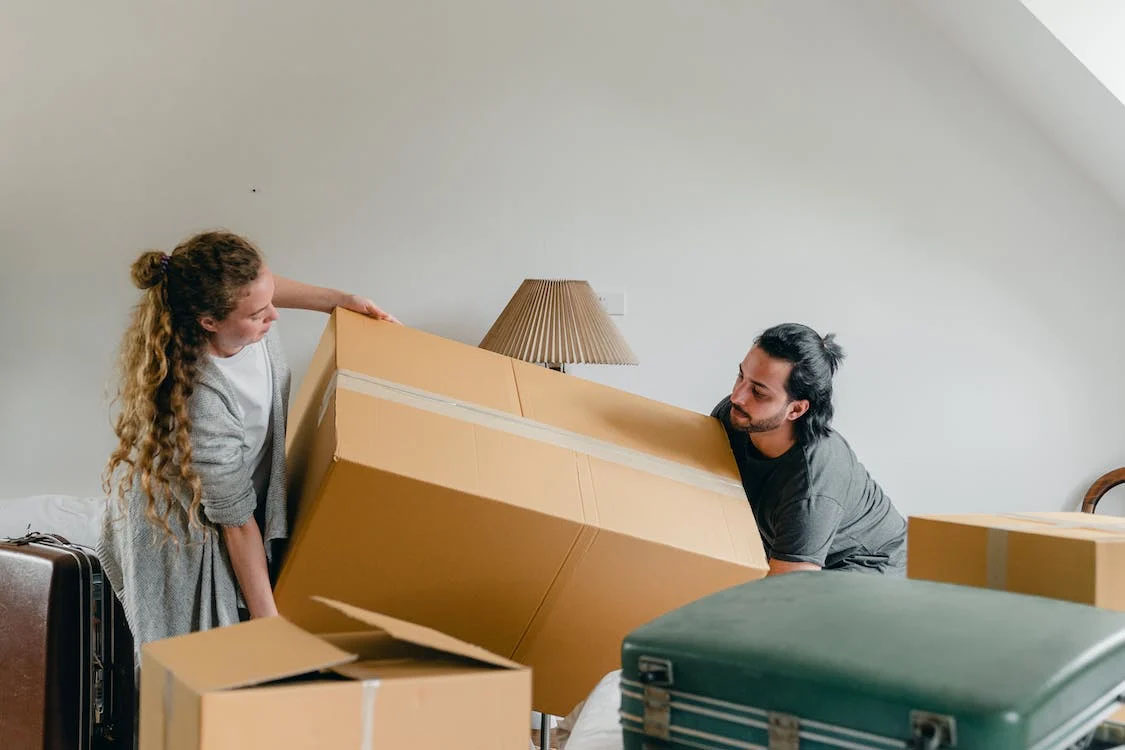
When you move into a new home, it can be a little overwhelming—especially if you're used to living in a place that feels more like home. Between decorating, unpacking, and getting settled in, how do you make your new house feel like one of the places where you always want to be?
#1. Decorate with care: If your house is already decorated, start working on creating a cohesive look that reflects your tastes and personality. If it's not decorated yet, try to think about what colors would work best for your space and what types of furniture you'll need. For example, if your home is small, consider using fewer decorations than if it's large; if it's dark and gloomy, brighten the space up with colorful light fixtures or artwork that makes people smile when they enter the room.
#2. Plan how to use space: When deciding what furniture will go where in your home, consider whether there are any areas of your house (like an entryway or dining room) that could use more seating than others; maybe there's just not enough space for all of those chairs! Decide which pieces should go where and don't panic about whether something will fit where it needs to go
#3. Make sure your new home has the right amount of light. Make sure there are enough lamps around so that you can see well in the house, especially if you're going to be doing any kind of work on the furniture.
#4. Pick out a few items from each room that feel like they belong in that space—the kind of stuff that makes people say "I see why this is where I spend all my time." It might be something as simple as a framed photo hanging on the wall or as complicated as a whole collection of antique trinkets from around the world, but it doesn't matter—just make sure each item has meaning for you and your family members (and maybe yourself!).
#5. Make sure the lighting is what you want. If it's not, change it! You want to be able to see everything in your home from any point within the room; if there is no light fixture, or if the light fixture doesn't match the style of your furniture, then you're going to have some trouble finding things and getting around efficiently.
#6. Make sure that all of your appliances are present and accounted for—but also that they work properly and don't need any help from you! If something isn't working right away, don't be afraid to ask for help—your landlord probably has someone on staff whose job it is exactly as much as yours is (or more!), so they'll be able to fix whatever needs fixing instead of having you do it yourself and risking breaking something else along the way (which happens when people try fixing stuff themselves).
#7. When you move into a new house, it's important to make sure everything you bring with you has some sort of positive association in the new space. This way, when people see what you have, they think "Oh, that's nice!" and not "Wow, that was really expensive."
If there are any negative associations from previous living spaces, let them go! If there are things that are too big or too small for the new space, let them go. If there are things that belong in another place but don't work here, let them go!
Everything should be suitable for living here as part of your home and nothing else—even if it doesn't fit perfectly here.
When you move into your new home, it can be easy to feel like you're starting over. Even if you've lived in your current home for years, you may have had a lot of changes since then: new furniture, new decorations, and all the rest.
It's okay to want to put your stamp on the place—but don't forget that your house should reflect who you are. The thing about making your house into a home is that it's not just about decorating and rearranging: it's also about creating an environment where you can relax, be yourself, and enjoy being at home. Here are some tips for doing just that.
BLUESTONE PROPERTIES
If you're relocating in south west London, we can help.
We've helped hundreds of people like you find their dream home or apartment. We know what's out there—and we know all the little details that make a difference.
Bluestone Properties work with every type of property: from a small house to high-end apartments. Whatever size and shape it's in, we'll find the perfect place for you!