
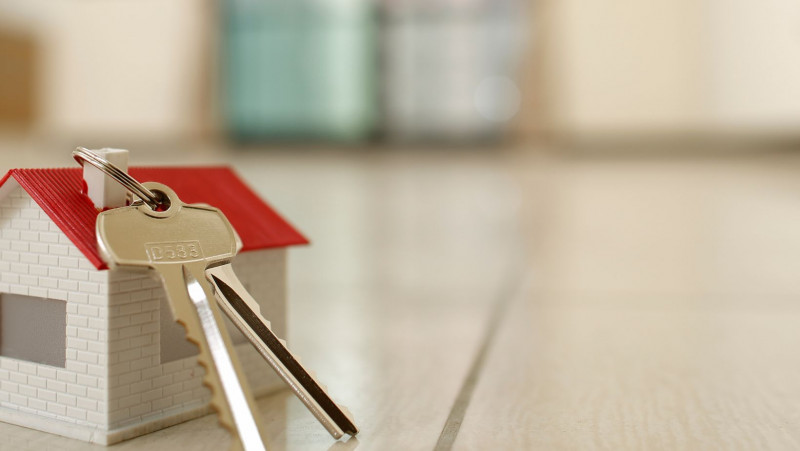
As a landlord, one of your top priorities is ensuring the security of your rental property. A secure property not only protects your investment but also provides a safe and comfortable living environment for your tenants. In this blog, we'll explore the essential steps to keep your rental property secure and minimize the risk of break-ins, theft, and damage.
Conduct a Security Audit
Start by conducting a thorough security audit of your property. Walk around the property and identify any potential vulnerabilities, such as:
- Broken or weak doors and windows
- Poor lighting, especially around entry points
- Overgrown bushes or trees that could provide hiding spots for intruders
- Lack of security cameras or alarm systems
- Easy access to the property through unlocked gates or fences
- Install Security Measures
1. Strong Doors and Locks
Install solid core or metal doors and high-quality locks that are difficult to pick or break. Consider fitting a deadbolt lock and a chain lock for added security.
2. Security Cameras
Install security cameras at strategic locations, such as the front door, back door, and any areas with high foot traffic. This can deter potential intruders and provide valuable evidence in case of a break-in.
3. Alarm Systems
Fit an alarm system that includes sensors on doors and windows. This will alert you and the authorities in case of an attempted break-in.
4. Outdoor Lighting
Install motion-sensitive outdoor lighting to illuminate potential entry points and deter intruders.
5. Secure Fencing and Gates
Ensure that fences and gates are sturdy and securely locked. Consider fitting a gate with an electronic lock or a keycard system.
Tenant Screening
1. Reference Checks
Conduct thorough reference checks on potential tenants, including employment, credit, and rental history.
2. ID Verification
Verify the identity of potential tenants using government-issued ID, such as a passport or driving license.
3. Rental History
Check the rental history of potential tenants to ensure they have a track record of paying rent on time and taking care of properties.
Regular Maintenance
Regular maintenance is crucial to ensuring the security of your rental property. Make sure to:
- Regularly inspect the property for signs of wear and tear
- Repair or replace broken doors, windows, and locks
- Keep the property clean and tidy to deter squatters and vandals
- Trim bushes and trees to maintain clear visibility around the property
Emergency Procedures
1. Create an Emergency Contact List
Create a list of emergency contact numbers, including the police, fire department, and a 24-hour locksmith.
2. Establish a Protocol for Break-Ins
Establish a protocol for dealing with break-ins, including contacting the authorities and securing the property.
3. Keep a Record of Incidents
Keep a record of any incidents, including break-ins, vandalism, or suspicious activity.
Conclusion
Keeping your rental property secure is an ongoing process that requires regular maintenance, tenant screening, and the installation of security measures. By following these essential steps, you can minimize the risk of break-ins, theft, and damage, and provide a safe and comfortable living environment for your tenants.
Property Management in South London
Are you a landlord looking for a reliable and experienced property management company in South London? Our team of experts has years of experience in managing properties in South London, and we're dedicated to helping you get the most out of your rental property. From finding the perfect tenant to handling maintenance and repairs, we'll take care of everything so you can sit back and enjoy the benefits of being a landlord.