
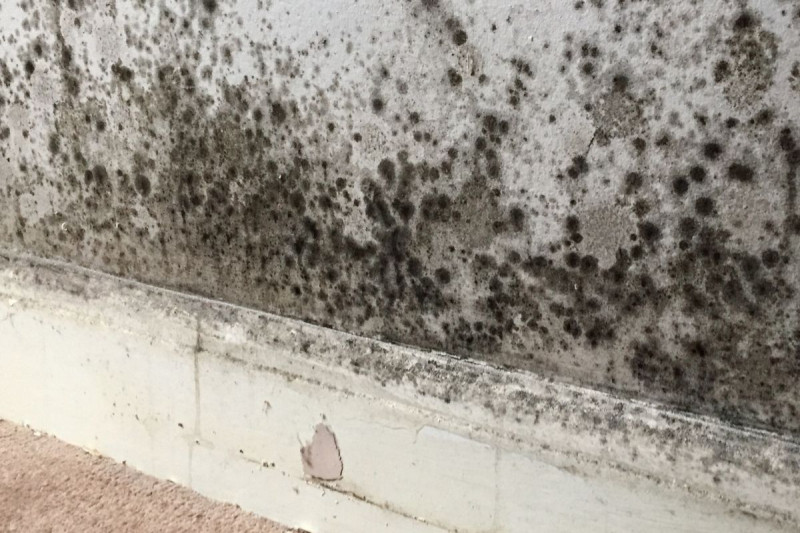
Damp and mould are more than cosmetic problems. Left untreated, they can damage walls, flooring, furniture and other parts of a property, while prolonged exposure to mould can also create health risks. For landlords in London, UK, dealing with these problems promptly is an important part of protecting both the property and the people living in it.
For tenants, knowing what to look for and how to report an issue can make a significant difference. The key is not to treat damp and mould as a problem that belongs entirely to one side. In many cases, landlords and tenants need to work together to identify the cause, arrange appropriate repairs and prevent the problem from returning.
Current government guidance for England makes an important point: simply removing visible mould is not enough. The underlying cause should be investigated and addressed.
What Causes Damp and Mould?
Damp is essentially excess moisture within a property. It can come from several sources, and identifying the cause is the first step towards finding a lasting solution.
Condensation is one of the most common causes. Everyday activities such as cooking, bathing and drying clothes release moisture into the air. When that moisture meets cold surfaces, such as windows or poorly insulated walls, condensation can form. If the area remains damp, mould may develop.
However, condensation is not always simply a matter of lifestyle. Poor ventilation, inadequate insulation, defective windows and heating problems can make a property much more vulnerable. Landlords in London, UK should therefore investigate the condition of the property rather than automatically assuming that condensation is the fault of tenants.
Other causes include leaking pipes, defective roofs, blocked gutters, damaged brickwork and rising damp. These issues can cause persistent moisture and generally require proper investigation and repair.
What Should Landlords Do About Damp and Mould?
For landlords in London, UK, the best approach is proactive rather than reactive. A small patch of mould can be an early warning sign of a much larger issue, so it should not simply be painted over.
When tenants report damp or mould, landlords should take the concern seriously and assess the severity of the problem. Government guidance recommends documenting the affected areas, identifying the source of moisture and addressing the underlying cause promptly. Where necessary, landlords should use qualified professionals to investigate or carry out remediation work.
Repairs may involve fixing a leaking roof, repairing plumbing, improving ventilation, addressing damaged external walls or resolving heating problems. In some cases, improvements such as better insulation or ventilation may be needed if ordinary repairs do not solve the problem.
A particularly important point for landlords in London, UK is that removing surface mould alone will not necessarily prevent it from returning. Government guidance recommends inspecting the property again after remedial work — including a check at least six weeks later — to establish whether the problem has been properly resolved.
Landlords should also keep clear records of reports, inspections, repairs and follow-up actions. Good documentation helps demonstrate that concerns have been taken seriously and can make recurring problems easier to diagnose.
What Can Tenants Do?
Although landlords have important responsibilities, tenants also have a role to play in reducing the risk of condensation and reporting problems quickly.
Tenants should report damp, mould, leaks, faulty extractor fans and other relevant problems as soon as they notice them. Putting the report in writing is particularly useful because it creates a record of when the problem was raised and what information was provided.
Simple measures can also help reduce condensation. Tenants can use extractor fans where provided, open windows regularly, keep internal doors closed while cooking or bathing, cover pans and avoid placing furniture directly against cold external walls. Where practical, drying clothes outdoors or using suitable drying facilities can also reduce moisture levels.
Heating is another consideration. Keeping a property reasonably warm can help reduce condensation, although tenants should not be expected to solve a building defect simply by increasing their heating use. If a home remains damp despite reasonable efforts, the underlying condition of the property should be investigated.
It is equally important that tenants allow reasonable access for inspections and repair work. Cooperation can help ensure that an issue is assessed and resolved without unnecessary delays.
Landlords and Tenants Should Avoid the Blame Game
Damp and mould can quickly become a source of tension between landlords and tenants, particularly when the cause is unclear.
The most productive approach is evidence-based. Rather than assuming that tenants are responsible because they cook, shower or dry clothes indoors, landlords should investigate whether the property has adequate ventilation, insulation, heating and structural integrity.
Likewise, tenants should not ignore simple steps that can reduce condensation or delay reporting a leak because they are concerned about being blamed.
For landlords in London, UK, maintaining open communication is valuable. A tenant who feels comfortable reporting a small patch of mould early may help prevent a much more expensive repair later. Government guidance specifically encourages landlords to build relationships with tenants and create reporting processes that make people comfortable raising concerns.
When Professional Help Is Needed
Not every damp problem can be diagnosed by looking at a wall. Persistent or extensive mould, recurring moisture, unexplained staining or signs of structural damage may require a professional inspection.
A qualified damp surveyor or appropriate specialist can help determine whether the issue relates to condensation, penetrating damp, rising damp, plumbing, ventilation or another source. For larger areas of mould, professional remediation may also be appropriate.
For landlords in London, UK, professional assistance can be particularly valuable when a problem repeatedly returns. Spending money on repeated cosmetic treatments without addressing the source can become more expensive over time.
Tenants should also keep photographs, correspondence and records of reported problems. This information can help demonstrate how long an issue has existed and what steps have been taken to resolve it.
Why Prevention Matters
The best damp and mould strategy is one that prevents problems before they become serious.
For landlords in London, UK, regular property inspections, responsive maintenance and effective communication with tenants can form the foundation of a sensible prevention plan. Ventilation systems should be maintained, leaks repaired promptly and potential building deficiencies addressed before they cause widespread damage.
Government guidance also recommends that landlords take a proactive approach to identifying risks, maintain appropriate records and consider the condition of properties between tenancies.
For tenants, prevention means reporting concerns early and using the ventilation and heating systems provided appropriately. Small changes can help, but they should complement — not replace — proper maintenance and repairs.
Understanding the Current Rules
The legal responsibilities surrounding damp and mould depend on the circumstances and the type of tenancy. In England, landlords generally have duties relating to repairs, property condition and health and safety. A property affected by serious damp and mould may also raise questions about fitness for human habitation.
It is also worth noting that Awaab’s Law came into force for the social rented sector in October 2025, introducing fixed timeframes for certain serious hazards, including significant damp and mould risks. These specific statutory timeframes apply to social landlords rather than ordinary private landlords.
For landlords in London, UK, staying informed about changing housing standards is therefore essential. Professional property management can help landlords keep maintenance, tenant communication and compliance matters organised.
A Better Approach to Damp and Mould
Ultimately, solving damp and mould requires cooperation. Landlords need to investigate problems properly, maintain their properties and respond promptly to reports. Tenants need to report issues early, take reasonable steps to manage condensation and provide access for inspections and repairs.
Neither side benefits from allowing a problem to continue.
For landlords in London, UK, professional property management can make this process considerably easier. A reliable management team can coordinate maintenance, communicate with tenants, arrange contractors and keep track of issues before they become costly or disruptive.
Looking for Reliable Property Management in London?
Managing a rental property involves much more than collecting rent. From maintenance and tenant communication to protecting the condition and long-term value of your investment, having the right support can make property ownership significantly less stressful.
offer comprehensive support, including tenant screening, rent collection, property maintenance and marketing. Their team works with property owners to provide a more streamlined approach to managing rental investments.
If you are one of the landlords in London, UK looking for professional support with your rental property, Bluestone Properties can help you manage the day-to-day responsibilities while keeping your investment well cared for.
Get in touch with Bluestone Properties today to discuss your property management requirements and take the hassle out of managing your rental property.