
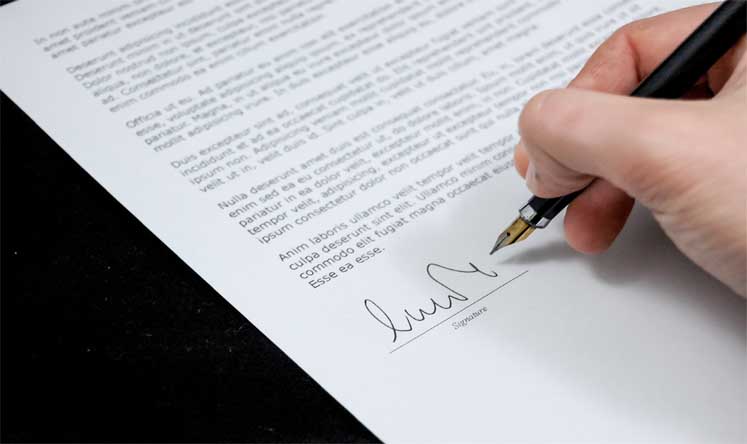
Renting a property can be a minefield, from finding the right home at the right price to organising contents insurance. Before you sign your lease, it’s important that you understand your rights as a tenant and what is expected of you.
It is crucial to note that once you sign the lease, you are still bound by it.
As a tenant, you may find that you are able to negotiate your lease directly with the landlord. Letting agents can help you negotiate your contract with a landlord and understand how the small print affects your rights as a tenant.
Here are five things to keep in mind before you sign a lease:
If you’re paying the bills, you have the power to choose a new energy supplier.
Every year, millions of households in the UK decide to switch their energy supplier. But why? The answer is simple: to get a better deal. With so many different suppliers out there, it’s possible that one could offer you a much better price than what you’re currently paying.
But before you do that, double-check your tenancy agreement, as some contracts include a clause that requires you to inform the landlord of any changes in your household situation. Also, make sure you know what you’re getting into. You don't want to be switching back and forth every few months because you've learned about a new company that offers a better deal.
Redecorating the property
Landlords are usually reluctant to allow tenants to make significant alterations to their properties. However, tenants may request permission to redecorate as part of the rental agreement.
It's important that you get your landlord's permission before starting work. You should also make sure that your landlord is aware of any work that needs doing before you move in. This is because some repairs can be expensive if they're carried out after a tenant has moved in, or if they have already been carried out by another tenant and need replacing.
If you want to do some decorating on your own, then you'll need to check whether this is allowed in your tenancy agreement. For example, some agreements will state that all work must be carried out by professionals at the landlord's expense. If this is the case, then you would need permission from them before making any changes yourself unless they're willing to pay for it themselves!
Cannabis Smoking is NOT permitted
Cannabis is illegal in the United Kingdom and you could face legal consequences if you are caught smoking it behind closed doors.
The penalties for doing so vary depending on the amount of marijuana a person possesses and whether they have a criminal record.
Landlords often include clauses in their rental contracts which prohibit tenants from consuming illegal substances in the property, and most contracts also ban smoking in any form.
Running a business
If you want to run a business in your residential property, you must ask your landlord for permission first. If they say no, you can't run your business there.
If they say yes, make sure you understand the terms of the lease and what restrictions will be placed on you. Some landlords may require that you keep the unit as a residence at all times and cannot use it for professional purposes at any time, even when no one is living there. Others may allow it only during certain hours or days of the week.
If your landlord says no but you have strong feelings about this issue, consider talking to them about it before signing the lease agreement or renting from them at all.
- Your landlord can set rules about what kinds of businesses are allowed on their property, including what hours they can operate and whether or not there will be noise or other disruptions.
- If your landlord agrees to let you run a business out of your rental unit, they can also charge extra rent for this privilege based on how much extra wear and tear it causes to the property.
- If you want to run a home-based business from your rental unit, remember that landlords cannot unreasonably interfere with your ability to do so; however, if they have an issue with what you're doing (noise levels getting too high), they can ask you to stop until it's resolved.
Letting with Pet
If you are a pet owner, you know how much they mean to you. You love your pet and want to do everything in your power to make sure they are happy and healthy. However, if you are renting an apartment or house, there is always a chance that the landlord will not allow pets. If this happens, it can be devastating for both of you because it means that you will have to find another place for them to live, which can be difficult if there aren't many pet-friendly homes available in your area. So how do you avoid this problem?
The first thing that you need to do is speak up early on! If possible, let the landlord know before moving in. You should also ask if there are any restrictions on pets at all—some landlords might only allow cats or dogs but not other types of animals like birds or reptiles (for example). If there are no restrictions at all then consider yourself lucky! However, if there are some then it's best just not take any chances since it could lead to serious issues down the road such as eviction or even lawsuits against both parties involved (if something goes wrong).
If you're looking for a property to rent, feel free to contact us at info@bluestoneproperties.co.uk. We have a wide range of options available and are happy to help you find the perfect one for your needs.